
The 7 Main Causes of Kidney Failure
ndutumo
May 01, 2026 · 1 min read
Description
Kidney failure, also known as renal failure, occurs when the kidneys lose their ability to effectively filter waste products and excess fluids from the blood. This condition can develop gradually over time or suddenly, depending on the underlying cause. When left untreated, kidney failure can lead to serious complications, including high blood pressure, anemia, weak bones, and nerve damage. Understanding the main causes is essential for prevention, early detection, and effective management.
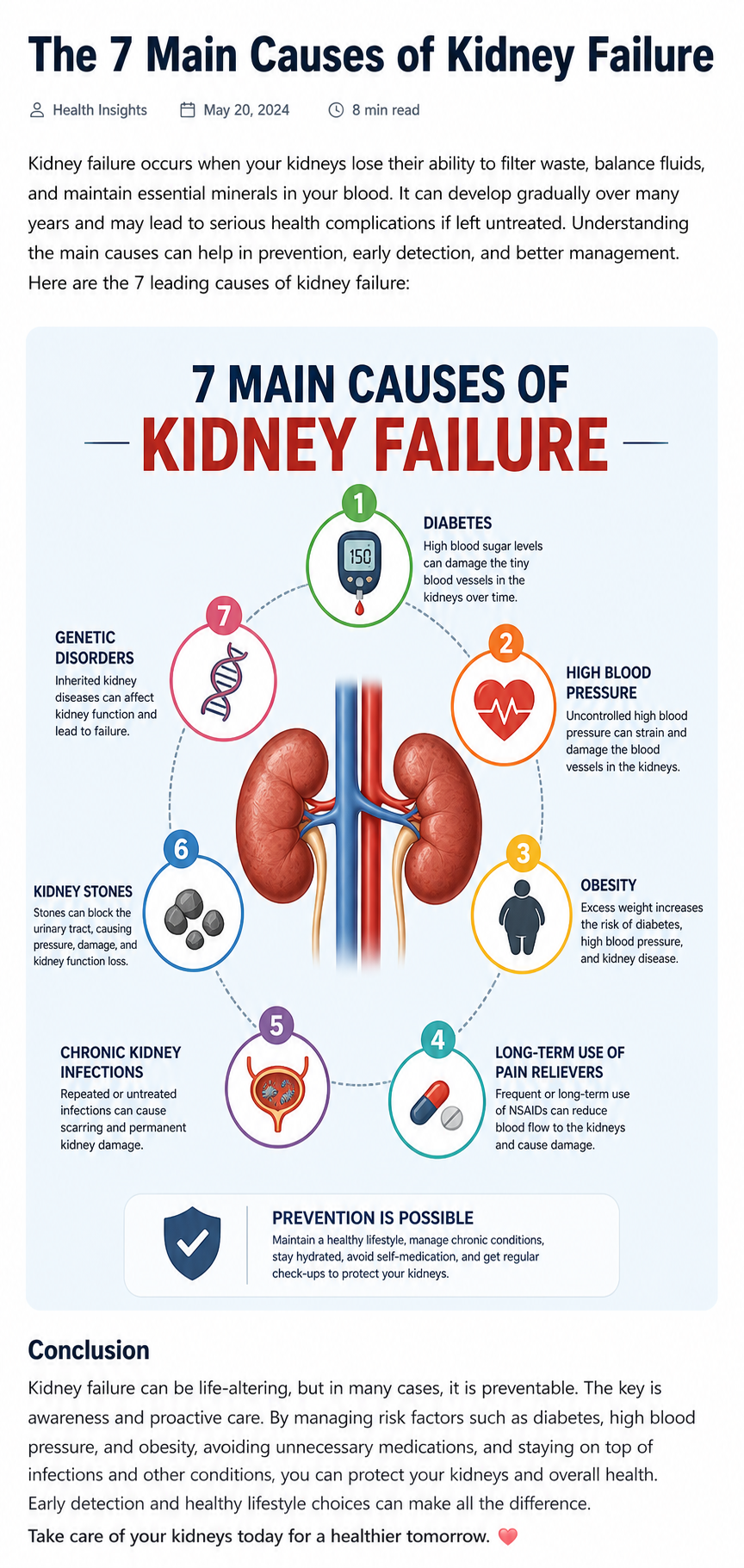
- Diabetes. Diabetes is the leading cause of kidney failure. High blood sugar levels over time damage the tiny blood vessels in the kidneys, reducing their ability to filter waste efficiently.
- High Blood Pressure. Uncontrolled high blood pressure puts strain on blood vessels, including those in the kidneys. This can cause damage and reduce kidney function over time.
- Obesity. Excess body weight increases the risk of developing conditions like diabetes and hypertension, both of which are major contributors to kidney disease
- Long-Term Use of Pain Relievers. Frequent use of certain medications, especially nonsteroidal anti-inflammatory drugs (NSAIDs), can reduce blood flow to the kidneys and cause long-term damage.
- Chronic Kidney Infections. Repeated or untreated urinary tract infections (UTIs) can lead to kidney infections, causing scarring and permanent damage.
- Kidney Stones. Kidney stones can block the urinary tract, leading to pressure buildup and potential kidney damage if not treated promptly.
- Genetic Disorders. Inherited conditions such as polycystic kidney disease can impair kidney function over time and eventually lead to kidney failure
Conclusion
Kidney failure is a serious but often preventable condition. By managing risk factors such as diabetes and high blood pressure, maintaining a healthy weight, avoiding unnecessary medication use, and seeking prompt treatment for infections, you can significantly reduce your risk. Regular health check-ups and a proactive approach to your well-being are key to protecting your kidneys and ensuring long-term health.