The Vital Balance: Why Dialysis Adherence is Your Lifeline
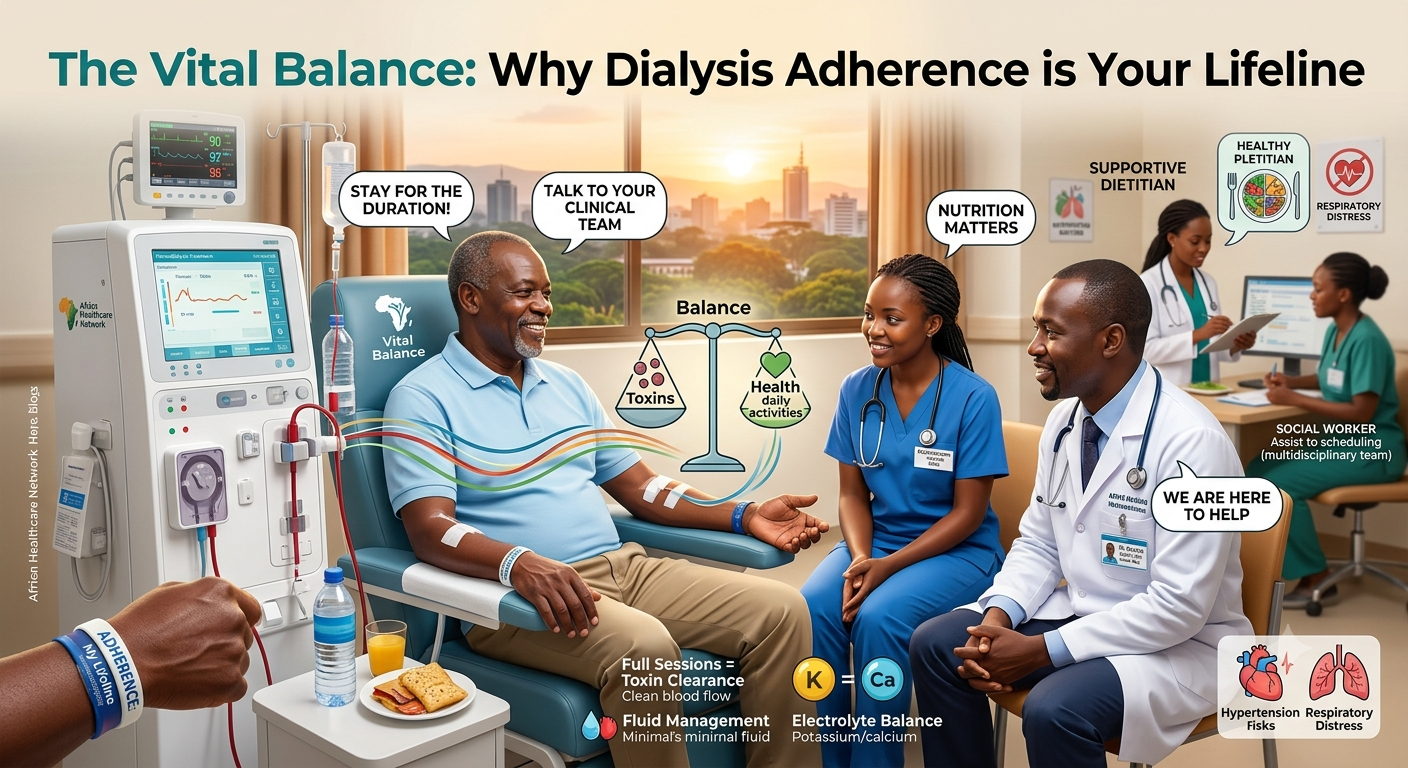
For patients living with End-Stage Renal Disease (ESRD), the dialysis machine is more than just equipment—it is the bridge to daily life. Understanding the critical importance of treatment adherence is the first step toward reclaiming your health and well-being.
Why Every Session Matters
Dialysis acts as an artificial kidney, filtering waste, balancing electrolytes, and managing fluid levels that your body can no longer process on its own. When you miss or shorten a session, you are not simply "skipping a treatment"; you are allowing toxic waste products, such as urea, to accumulate in your bloodstream.
• Fluid Management: Dialysis sessions are precisely calculated to remove excess fluid. Missing a session forces your heart and lungs to work harder to compensate for fluid overload, which can lead to severe hypertension and respiratory distress.
• Electrolyte Balance: Maintaining balance is essential for preventing dangerous spikes in potassium or fluctuations in calcium.
• Optimal Clearance: Regular, full-length sessions are the most significant factor in reducing uremic toxins, which directly improves how you feel day-to-day and increases your overall life expectancy.
The Bigger Picture: Beyond the Machine
Adherence isn’t limited to just sitting in the chair for the full duration of your treatment. It involves a commitment to a holistic approach to care. This includes:
• Nutritional Support: Consuming a diet that aligns with your specific needs—such as managing phosphorus and protein intake—works in tandem with dialysis to keep your toxin levels within a safe range.
• Multidisciplinary Cooperation: Engaging with your entire care team—nephrologists, nurses, nutritionists, and social workers—ensures that every aspect of your health, from haemoglobin levels to mental well-being, is being managed.
• Consistent Monitoring: Keeping track of your blood pressure and adhering to prescribed medications is just as critical as the dialysis session itself.
Moving Toward a Better Future
While the diagnosis of ESRD brings significant challenges, modern dialysis practices have substantially improved outcomes over the last two decades. By showing up for every session, staying for the full duration, and working closely with your clinical team, you are taking an active, empowered role in your survival.
Remember, your care team is there to support you in overcoming barriers to adherence. Whether it is managing transportation, dealing with financial constraints, or navigating symptoms, please communicate with your team. Together, we can maintain the steady, consistent care necessary to help you live a full and meaningful life.
If you are struggling to maintain your treatment schedule, please speak with your facility's administrator and lead nurse today. We are here to help.
Dr Yuri Oketch
MBChB| MHLM| MIDI| ( e) MSc Renal Med
Group Deputy Chief Medical Officer
Africa Healthcare Network
Clinical Governance Expert, Consultant in Renal Medicine, Infectious Diseases Intelligence & Health Management
Why Every Session Matters
Dialysis acts as an artificial kidney, filtering waste, balancing electrolytes, and managing fluid levels that your body can no longer process on its own. When you miss or shorten a session, you are not simply "skipping a treatment"; you are allowing toxic waste products, such as urea, to accumulate in your bloodstream.
• Fluid Management: Dialysis sessions are precisely calculated to remove excess fluid. Missing a session forces your heart and lungs to work harder to compensate for fluid overload, which can lead to severe hypertension and respiratory distress.
• Electrolyte Balance: Maintaining balance is essential for preventing dangerous spikes in potassium or fluctuations in calcium.
• Optimal Clearance: Regular, full-length sessions are the most significant factor in reducing uremic toxins, which directly improves how you feel day-to-day and increases your overall life expectancy.
The Bigger Picture: Beyond the Machine
Adherence isn’t limited to just sitting in the chair for the full duration of your treatment. It involves a commitment to a holistic approach to care. This includes:
• Nutritional Support: Consuming a diet that aligns with your specific needs—such as managing phosphorus and protein intake—works in tandem with dialysis to keep your toxin levels within a safe range.
• Multidisciplinary Cooperation: Engaging with your entire care team—nephrologists, nurses, nutritionists, and social workers—ensures that every aspect of your health, from haemoglobin levels to mental well-being, is being managed.
• Consistent Monitoring: Keeping track of your blood pressure and adhering to prescribed medications is just as critical as the dialysis session itself.
Moving Toward a Better Future
While the diagnosis of ESRD brings significant challenges, modern dialysis practices have substantially improved outcomes over the last two decades. By showing up for every session, staying for the full duration, and working closely with your clinical team, you are taking an active, empowered role in your survival.
Remember, your care team is there to support you in overcoming barriers to adherence. Whether it is managing transportation, dealing with financial constraints, or navigating symptoms, please communicate with your team. Together, we can maintain the steady, consistent care necessary to help you live a full and meaningful life.
If you are struggling to maintain your treatment schedule, please speak with your facility's administrator and lead nurse today. We are here to help.
Dr Yuri Oketch
MBChB| MHLM| MIDI| ( e) MSc Renal Med
Group Deputy Chief Medical Officer
Africa Healthcare Network
Clinical Governance Expert, Consultant in Renal Medicine, Infectious Diseases Intelligence & Health Management